Why motorisation matters more up a slope
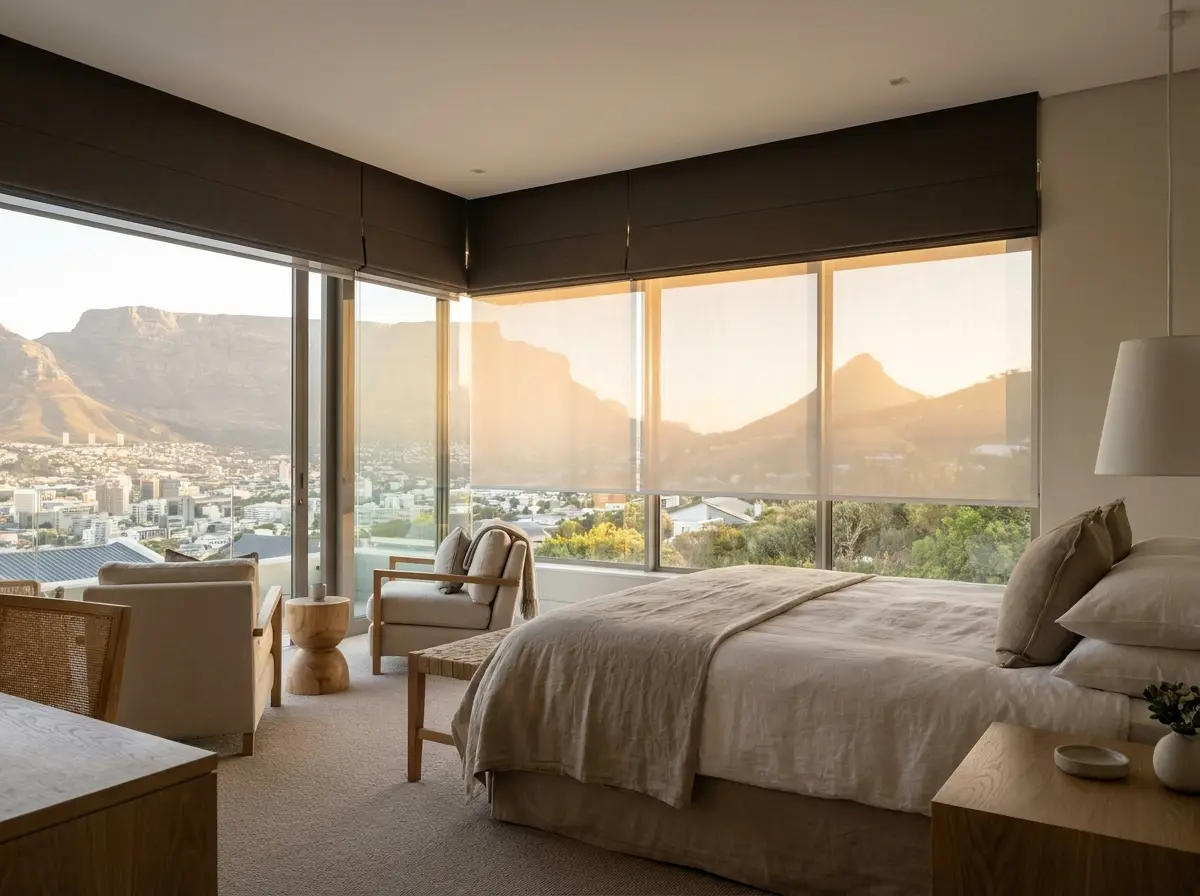
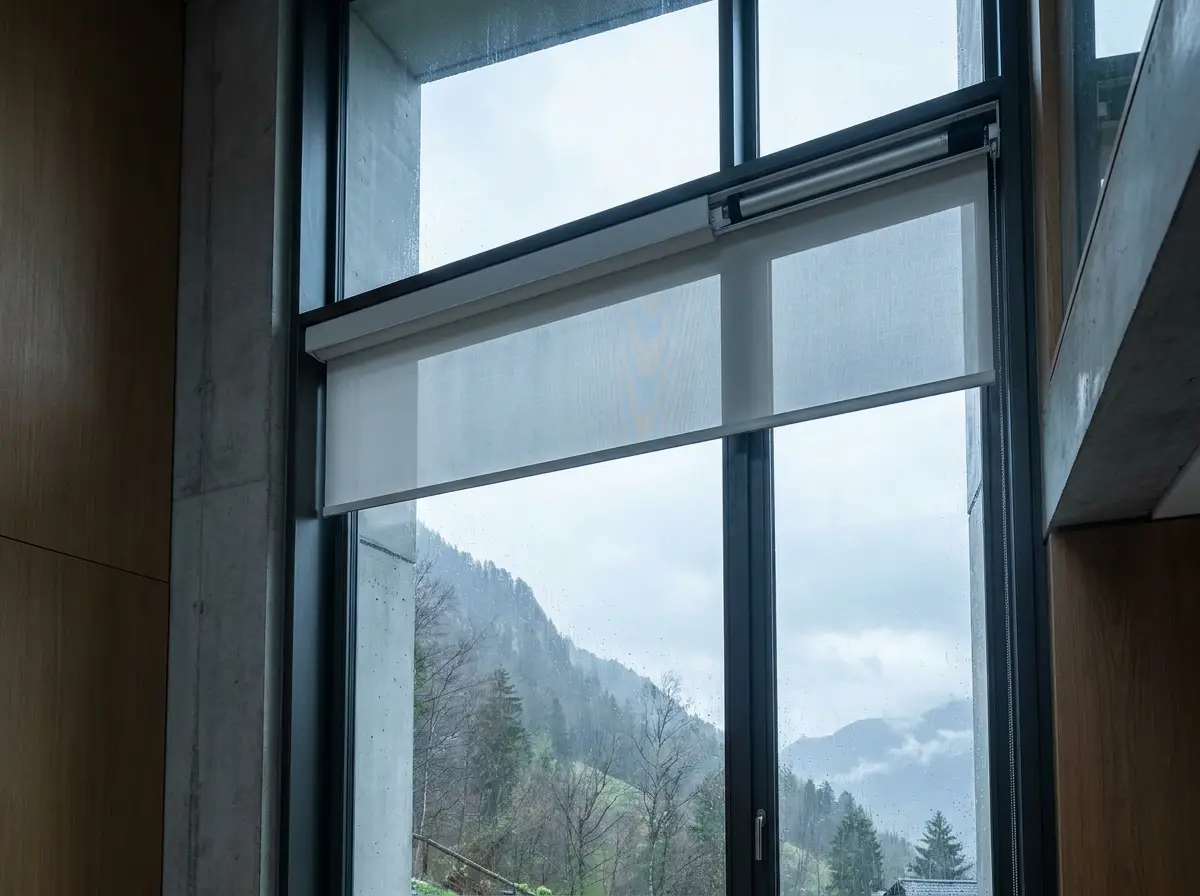
A tubular motor sits inside the blind roll itself, driven by handset remote, wall switch, phone app, a daily schedule, or a sensor. On a flat single-storey stand it's mostly a comfort upgrade. On a Plattekloof stand built up the ridge — with stairwell glazing, double-volume lounges and top-floor windows two or three flights up — it's often the only practical way to actually operate a blind day to day.
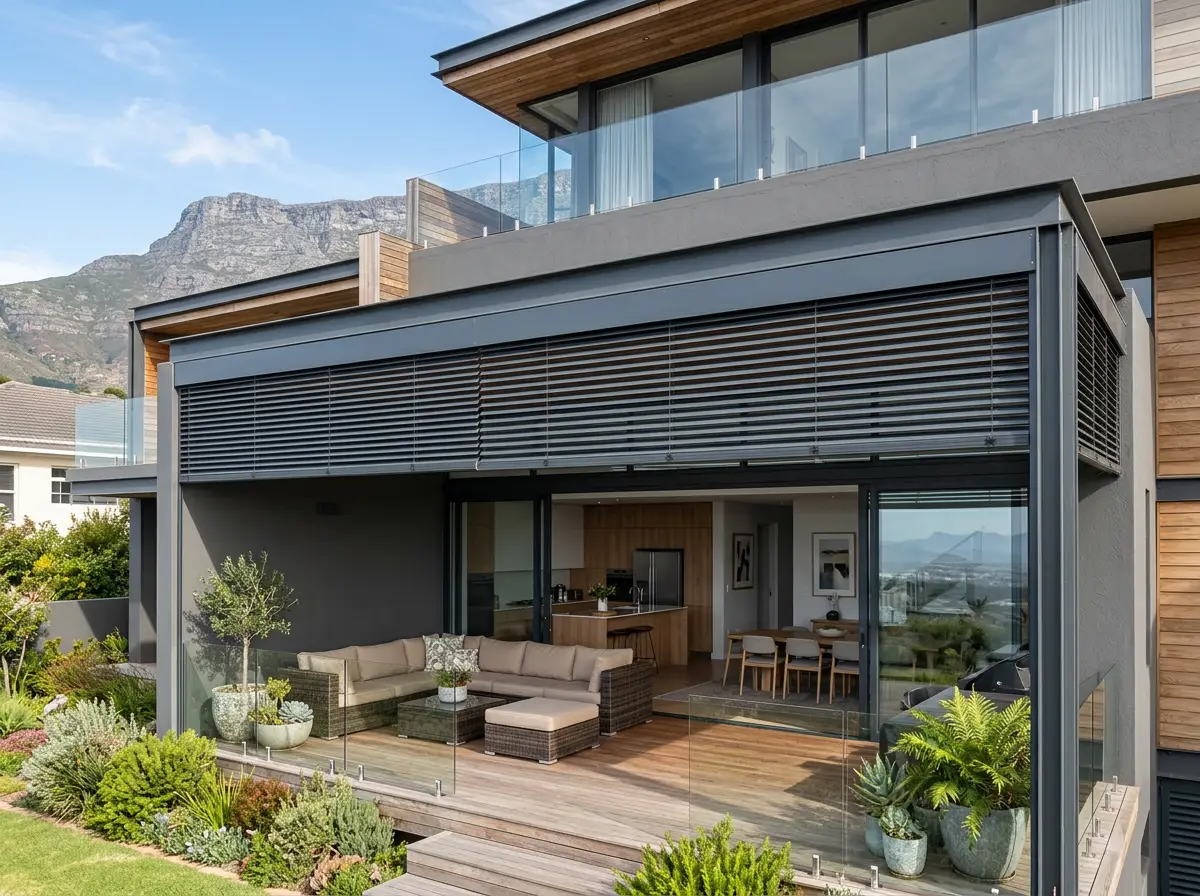
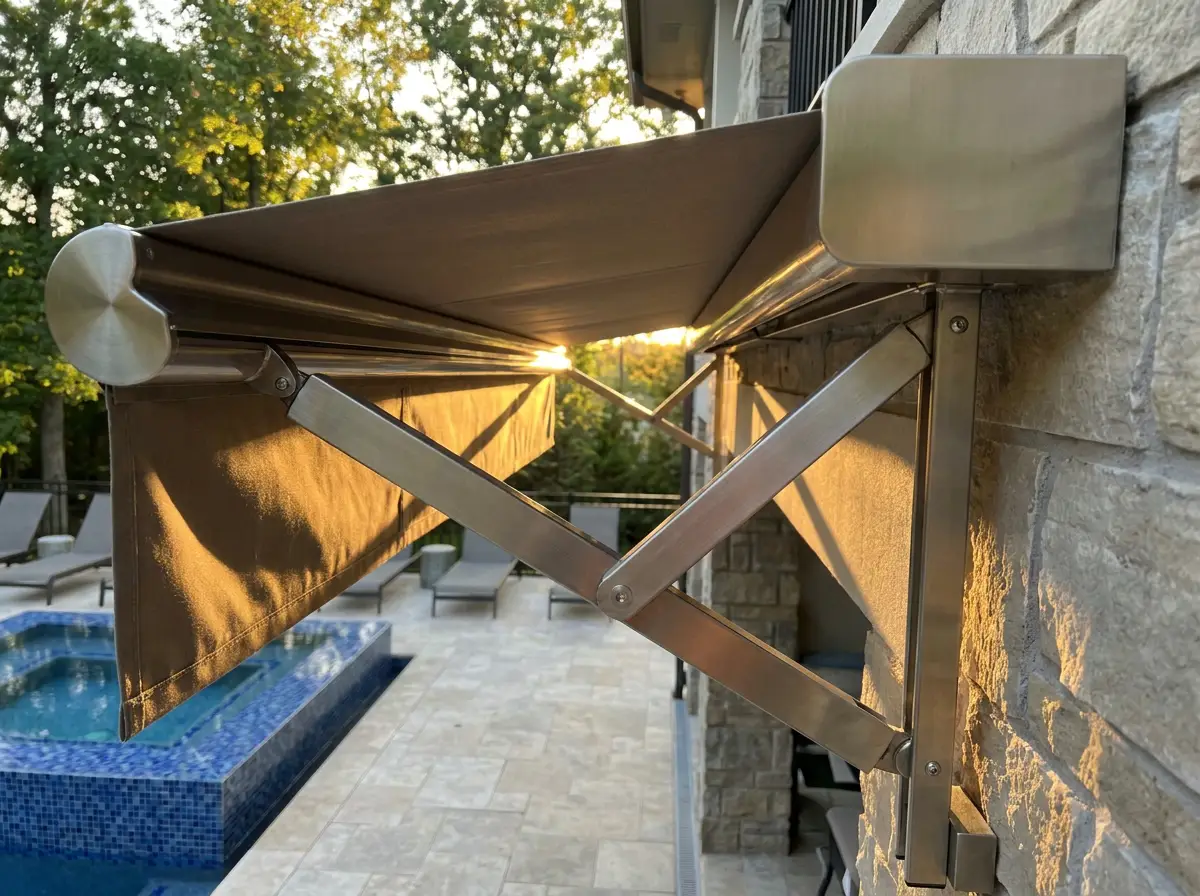
Sun sensors drop west-facing blinds automatically before the afternoon heat builds, whether anyone's home or not. Wind sensors do the equivalent job for anything exterior — external venetians, an awning over the deck — retracting them before a summer south-easter gust turns an open awning into a repair bill.
- Rechargeable battery motors — no wiring, ideal for retrofits and apartments
- Wired 220V motors for new builds and renovations — permanent, no charging
- App control, sunrise/sunset schedules, and multi-channel remotes ("one button, six blinds")
- Sun sensors for hot elevations, wind sensors for exterior products
- No dangling chains or cords — the most child-safe operation there is
Practical honesty
Battery motors are retrofit-friendly but do need a periodic charge — we'll set that expectation plainly at the quote stage rather than let it be a surprise. Quality motors carry multi-year guarantees, and they're quiet, not silent.
Where it's essentially required
Concealed ceiling-recess systems, external venetians, awnings and zip screens are effectively always motorised — a hand can't reach into a ceiling slot or safely operate an exterior product in wind. Add stairwells, double-volume glass and any multi-blind wall common on Plattekloof's larger stands, and the case builds itself: one remote or one app, every blind, done.